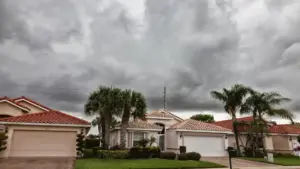

In Tampa, FL, and surrounding areas like Lakeland Highland, Medulla, and Lakeland, heavy rains and subtropical storms make gutters an essential part of every home. Gutters are the first line of defense against water damage, helping to redirect rainwater away from the home’s foundation. When they’re compromised, it can lead to a cascade of structural and landscaping issues. At Anderson Seamless Gutters LLC, we understand how critical a properly functioning gutter system is to your home’s health. That’s why we’re diving deep into the most common causes of gutter damage and how you can prevent them.
Key Takeaway:
Proactive gutter maintenance can prevent costly damage. Understanding common causes—like clogging, weather exposure, improper installation, and lack of protection—can help homeowners in Tampa and surrounding areas extend the life of their gutters and protect their investment.
Improper Gutter Cleaning and Debris Build-Up
Leaves, Twigs, and Organic Debris
One of the most common causes of gutter damage is debris accumulation. In places like Medulla and Lakeland Highland, falling leaves and branches are inevitable. When gutters clog with debris, water overflows, putting strain on both the gutters and the fascia boards. Over time, this leads to rust, rot, and detachment.
Lack of Routine Maintenance
Neglecting your gutters allows even small blockages to escalate into major issues. Without consistent cleaning, standing water attracts pests and promotes mold growth. This is especially concerning in Florida’s humid climate. Our dedicated gutter cleaning professionals provide trusted service throughout Tampa and nearby areas to help prevent such problems.
Downspout Obstruction
When downspouts are blocked, gutters back up quickly during storms. Water may pool on your roof or spill over, damaging your siding, landscaping, or even your home’s foundation. Regular inspections can prevent this silent but severe threat.
Weather and Climate Conditions
High Winds and Storm Damage
Florida’s storm-prone climate makes homes susceptible to sudden gutter damage. High winds can rip gutter sections off, especially if they’re loosely attached or old. Strong rainfalls add pressure, causing fasteners to fail. Storm season in Tampa and Lakeland makes timely inspections critical.
Corrosion from Constant Moisture
Living in a humid, coastal climate means gutters are continuously exposed to moisture. Metal gutters—especially those not made from rust-resistant material—begin to corrode. Over time, this corrosion eats through the material, leading to leaks. Our gutter installation experts recommend seamless aluminum systems, which are better suited to Florida’s damp weather.
Sun and UV Exposure
While rain is a major factor, the sun also plays a role in damaging gutters. UV rays weaken the gutter material, causing warping and brittleness, particularly in plastic or vinyl systems. Over time, this makes them prone to cracking under pressure.
Poor Installation or Design Flaws
Incorrect Pitch or Slope
Gutters must be installed with the correct pitch to allow water to flow freely toward the downspout. If installed flat or with the wrong slope, water will pool, which accelerates wear and increases overflow risk. Many calls we receive in Lakeland involve homes with improperly pitched systems from DIY installations or inexperienced contractors.
Inadequate Fastening
Gutters that aren’t securely attached to the fascia are at risk during high winds and heavy rainfall. Loose hangers can cause the entire section to sag or detach, especially when water or debris is trapped. Our experienced team provides quality gutter repair solutions to reinforce and restore compromised systems.
Gutter Size Mismatch
Some homes are outfitted with gutters that are too small for the roof size or the amount of rainfall typical in Florida. This results in overflow during storms and long-term structural strain. Having the right-sized system is crucial for optimal performance.
Vegetation Growth and Pest Infestation
Plants Growing in Gutters
Seeds dropped by birds or carried by wind can find their way into clogged gutters, where they sprout in the moist debris. Over time, this plant growth can weigh down the system, pulling it away from the roof and encouraging water to stagnate.
Nesting Critters
Rodents, birds, and insects view clogged gutters as ideal nesting spots. Their presence can damage the gutter system from within, and lead to other unwanted issues like droppings, mold, and structural interference.
Mold and Mildew Spread
Stagnant water left in blocked or sagging gutters creates a prime environment for mold and mildew. These spores can eventually spread to your home’s walls or foundation, threatening indoor air quality and structural health.
Lack of Gutter Protection Systems
Absence of Gutter Guards
Without gutter guards, debris buildup is inevitable. These protective covers are especially useful in wooded areas like Lakeland Highland and Medulla, where leaves constantly fall. Gutter guards reduce the frequency of cleanings and prevent clogs before they start.
Cheap or Outdated Materials
Low-quality gutter systems deteriorate quickly. Investing in high-grade, seamless gutters tailored to Florida’s climate ensures longevity and durability, reducing the need for frequent replacements.
No Splash Blocks or Drain Extensions
When gutters don’t have proper ground-level protection like splash blocks or downspout extensions, water erosion can damage your landscaping or seep into the foundation. Every part of the system, from roof to soil, needs to be addressed for complete protection.
Answering Common Questions
What happens if I don’t clean my gutters regularly?
Clogged gutters can overflow, damage your roof and fascia, attract pests, and eventually lead to water damage in your home’s foundation or basement.
How often should I have my gutters inspected in Florida?
It’s ideal to inspect gutters at least twice a year—typically in early spring and late fall. However, with Tampa’s storm activity, seasonal checkups after heavy weather are also wise.
Can I install gutter guards myself, or should I hire a professional?
While DIY options exist, professional installation ensures optimal fit, effectiveness, and warranty coverage. It also eliminates safety risks from climbing ladders or misinstalling the system.
Rainfall’s Direct Impact on Gutter Systems
Florida experiences intense downpours, especially in Tampa and Lakeland. This puts immense stress on gutter systems, requiring seamless, high-capacity channels and well-designed drainage paths to handle the volume. Homes without robust systems face immediate flooding, landscape erosion, and structural compromise.
How Gutter Health Affects Foundation Longevity
Compromised gutters allow water to pool around the home’s base, weakening the foundation over time. Even small drips add up, seeping into the soil and creating cracks or shifting. Protecting your gutter system is a key step in safeguarding your entire property’s integrity.
Why Local Expertise Makes a Difference
Anderson Seamless Gutters LLC proudly serves Tampa, Lakeland, Lakeland Highland, and Medulla, FL with tailored solutions rooted in decades of experience. Our team understands the unique challenges posed by Florida’s climate and provides compassionate, expert care. Whether you need a full replacement, a timely repair, or preventative maintenance, we’re here to help protect your home for years to come.
Learn more about our seamless gutter solutions by visiting our website. Don’t wait until a small issue turns into a major problem—contact Anderson Seamless Gutters LLC today for peace of mind, reliable service, and a home that’s protected from the top down.
Related Posts

Hanging Lights Without Damaging Your Gutters

Gutter Maintenance Tips for Florida’s Cooler Months

How to Prepare Your Gutters for Florida’s Winter Dry Season
Why Fall Is the Best Time for Gutter Cleaning in Florida
What Florida Homes Need for Storm Season Protection